Following the signing on June 17 of a memorandum of understanding (MoU) between Iran and the United States that ended several months of conflict, Hadi Mirzaei, an Iranian fresh fruit and vegetable trader, reports a gradual return to normalcy after four tumultuous months.
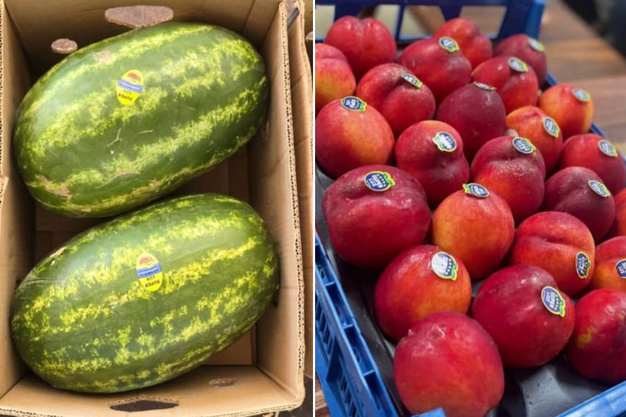
“Starting on February 9, Iranian fresh produce exporters were completely halted, as was, of course, all traffic in the Persian Gulf. We suffered enormous losses in terms of agricultural products and exports,” Mirzaei recounts. This disruption severely affected several categories of fresh produce. “Apples, kiwis, tomatoes, and watermelons were the hardest hit due to the timing of the war. Watermelon and tomato growers suffered particularly badly, as demand and supply for both products increased during Ramadan. Certainly, the GCC countries as markets were the most concerned.” Some Iranian exporters, Mirzaei adds, were so severely affected that they were forced out of business.
The recovery, however, came faster than many Iranian exporters had feared, according to Mirzaei: “Within one week, exports to Iraq resumed, and a couple of weeks later, exporters were also able to ship to Oman.” The situation then went through ups and downs, culminating in a total blockade of Iranian ports before negotiations led to an MoU.
 © Darya
This recovery is now bolstered by the MoU, which Mirzaei views as a way out of the crisis. “As I see it, the MoU is very positive, and all countries view it favorably,” he says. “Improvement will take time, but it will certainly happen. The Iranian government and businesspeople are all working together to establish better and stronger relationships with their traditional and new partners and customers.”
The exporter expects Gulf countries to play a central role in the return to normal commercial activities: “Saudi Arabia and the United Arab Emirates can play a major role after the war. The United Arab Emirates holds a special place for Iranian traders, as we share deeply rooted commercial ties. We must preserve this relationship, and everyone from both shores is looking forward to it.”
 © Darya
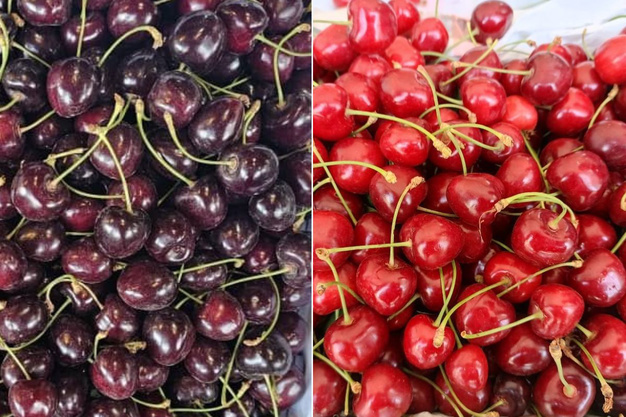
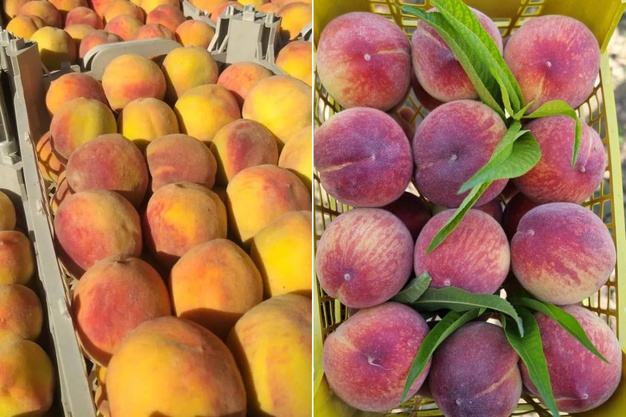
Mirzaei notes that the momentum is already translating into volumes, two days after the digital signing of the MoU. “This coincides with a high season for melons, cherries, sour cherries, and stone fruits. Orders for Iranian fresh produce are already pouring in from Oman, the United Arab Emirates, Iraq, and Russia, and we expect to receive more and more in the coming days. Just recently, as soon as the memorandum of understanding was signed, I was able to make a shipment, demonstrating that port operations are running normally and that the Strait of Hormuz is clear.”
For more information:
Hadi Mirzaei
Darya Noosh Payab Trading
Tel: +98 935 224 3937
Email: [email protected] / [email protected]

Source: The Plantations International Agroforestry Group of Companies