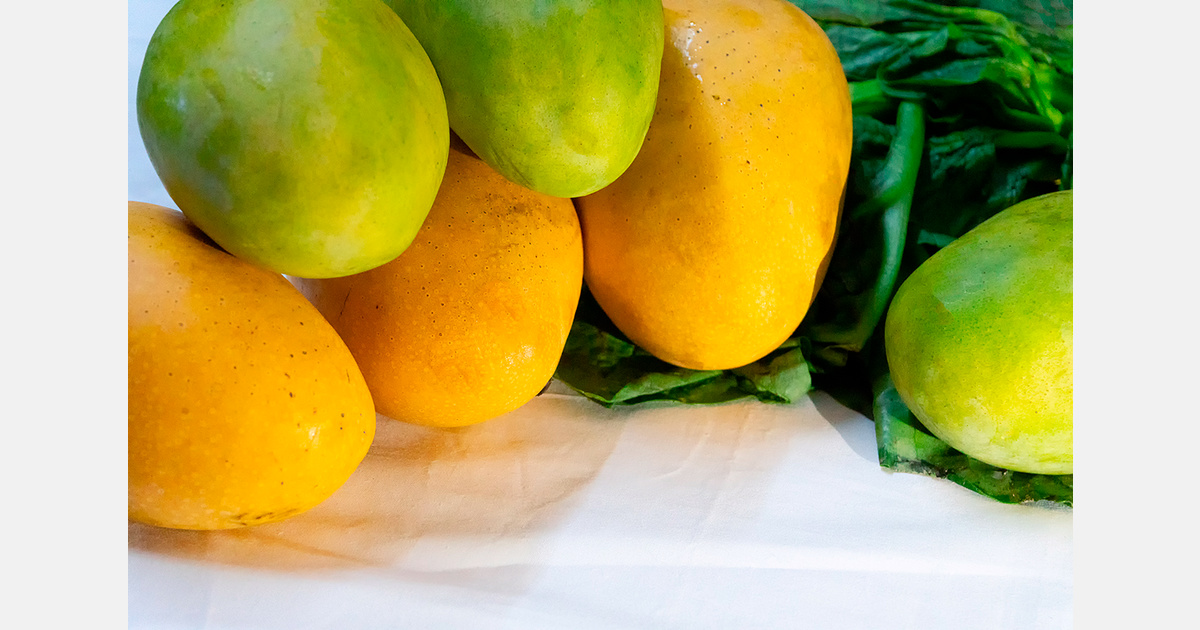
Nepal has introduced stricter entry requirements for fresh mangoes imported from China following a pest risk analysis carried out by the Plant Quarantine and Pesticide Management Center. The new conditions came into effect last week and are intended to prevent the introduction of high-risk pests while maintaining imports under stricter phytosanitary requirements.
According to the center, more than 27 potential pests were identified in Chinese mangoes. Eight are already listed as banned in the Nepal Gazette, while 19 others have been identified as new risks. Similar phytosanitary requirements have previously been introduced for imports of bananas, coriander, avocados, almonds, and melons.
Officials said the measures are not an import ban but are aimed at ensuring imported produce meets Nepal’s biosecurity standards. Exporting countries must provide a phytosanitary certificate confirming that consignments comply with Nepal’s import requirements and are free of regulated pests.
Nepal’s pest risk analysis assesses whether pests are present in the exporting country, their ability to establish under local conditions, and their potential economic and environmental impact. The Plant Quarantine and Pesticide Management Center has completed risk analyses for around 400 to 500 imported agricultural products, with further assessments continuing.
Import applications are processed through Nepal’s National Single Window System. Consignments are subject to physical inspection and sampling at border crossings, with laboratory testing carried out where required. Shipments found to contain regulated pests are either returned or destroyed in accordance with national legislation.

Source: The Plantations International Agroforestry Group of Companies