Thailand’s pomelo export sector is entering its main seasonal window, with exporters expecting relatively stable volumes but prices around 10% higher for golden pomelos following quality issues linked to unusually hot weather earlier this year.
According to Caesar Wongchotsathit, Head of Business Development at OP Fruits, Thailand’s pomelo exports are primarily focused on China and Hong Kong, while Japan and South Korea are emerging as potential growth markets.
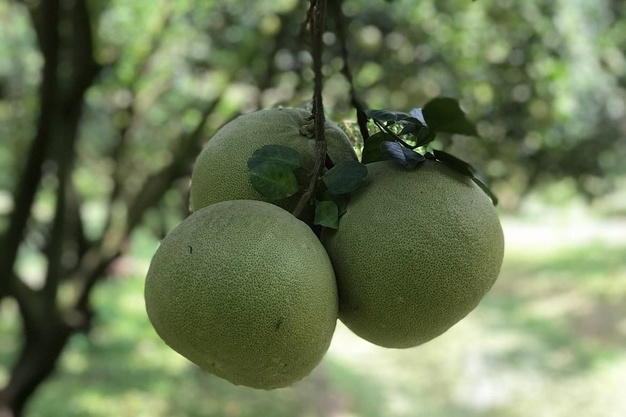
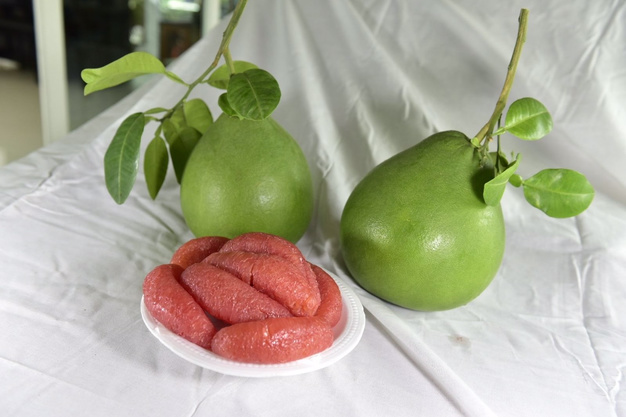
“There are three main varieties of pomelo in Thailand: Siam Ruby, the red pomelo, as well as white and golden pomelo. The red one is available almost year-round, while the white and golden ones are more seasonal,” Caesar explains.
 © OP Fruits
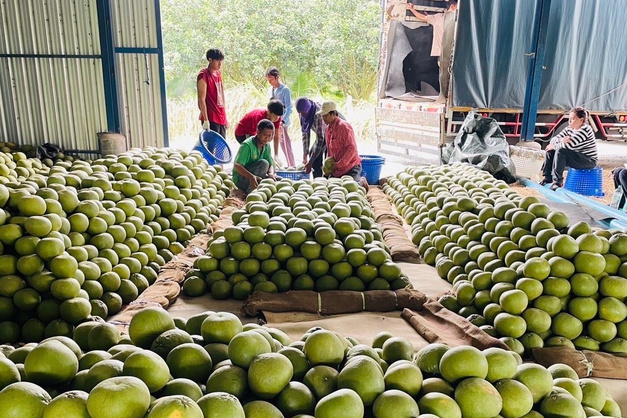
The golden pomelo season typically runs from August through October, with the white variety available somewhat earlier and again around October and November. The main season is now getting underway, with OP Fruits already shipping some golden pomelos to China and Hong Kong.
All three varieties are exported, although preferences vary by market. “Chinese buyers tend to favour the sweeter white pomelo, while the red variety is valued for its attractive flesh colour. The golden pomelo offers a balance of flavour and appearance, and is relatively rare in Thailand, as few growers are able to produce it successfully.”
 © OP Fruits
Quality issues push prices higher
Overall production volumes remain relatively stable, but unusually high temperatures during Thailand’s hot season contributed to increased pest pressure earlier in the year. Some growers consequently removed affected fruit, creating additional quality-control challenges for exporters.
“The production volume is still quite the same, but it is more a QC problem. For golden pomelos, export prices are expected to be around 10% higher than last season, with the premium likely to remain relatively stable through the season,” Caesar notes.
While export-grade quality remains relatively consistent from year to year, the higher cost base means that maintaining a price acceptable to overseas buyers will be an important consideration.
 © OP Fruits
Japan, South Korea offer growth potential
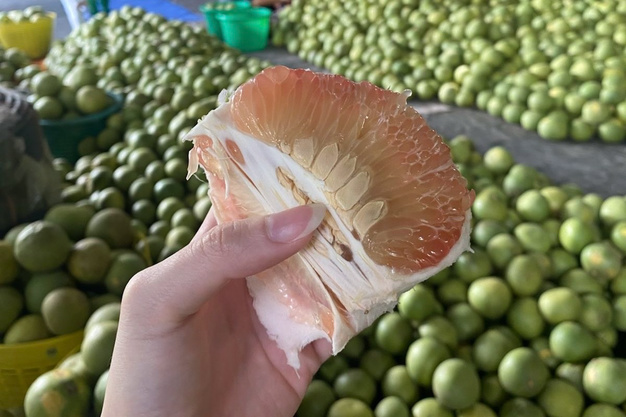
Japan is viewed as one of the most promising new markets for Thai pomelos, although the export programme remains relatively new. Strict requirements concerning phytosanitary controls, cleanliness and pesticide residues remain a challenge for Thai growers and exporters.
“Thailand’s tropical climate makes pest management particularly important, and the sector is still working to adapt production practices to meet Japanese requirements. Nevertheless, interest in the market is growing, and exporters see potential for further development.”
 © OP Fruits
“South Korea is another market with potential, following growing demand for other Thai fruit, including durian and mango. For now, China and Hong Kong remain the core destinations.”
Demand typically strengthens around major Chinese festivals, including the Mid-Autumn Festival and Chinese New Year, when pomelos are purchased for both consumption and religious purposes.
 © OP Fruits
Quality remains a key differentiator
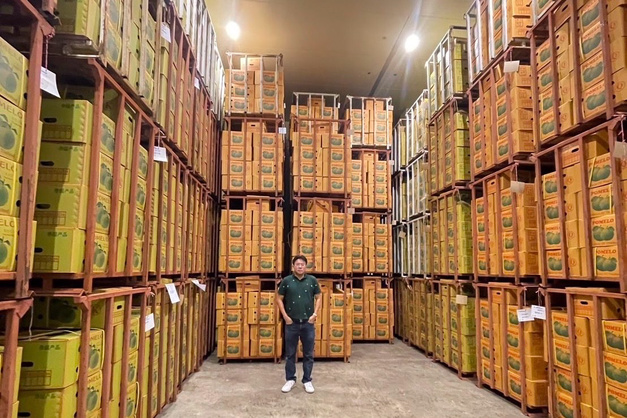
Thai pomelos compete internationally primarily on quality, with the fruit generally offering strong sweetness and flavour, as well as attractive red or pink flesh. The fruit also has good storage potential, with pomelos able to remain in cold storage for around 40 days.
“Our Brix levels usually sit around 11.5 to 12,” Caesar says, adding that Thai pomelos are generally sweeter and more flavourful than competing fruit from China and Vietnam.”
As Caesar sums it up, “With the main season now underway, the market is expected to remain relatively stable. The key challenge for exports will be balancing higher costs with competitive pricing for overseas buyers”
For more information:
Caesar Wongchotsathit
OP Fruits
Tel: +66 9929 28954
Email: [email protected]
www.opfruits.com

Source: The Plantations International Agroforestry Group of Companies