Like many other areas of the food industry, the convenience sector has had a few difficult years. “The COVID-19 pandemic was followed by the war in Ukraine, followed by the current unrest in the Middle East. In that sense, there’s hardly any peace these days, which naturally affects our ability to plan and calculate costs,” says Stephan Junkers, founder and managing director of GO-fresh, in an on-site interview. However, customer demands in the ultra-fresh convenience business remain unchanged. “With us, the customer can truly remain a customer because we also fulfill special requests. This is the only way we can continue to set ourselves apart from the large corporations.”
15 years of ultra-fresh convenience
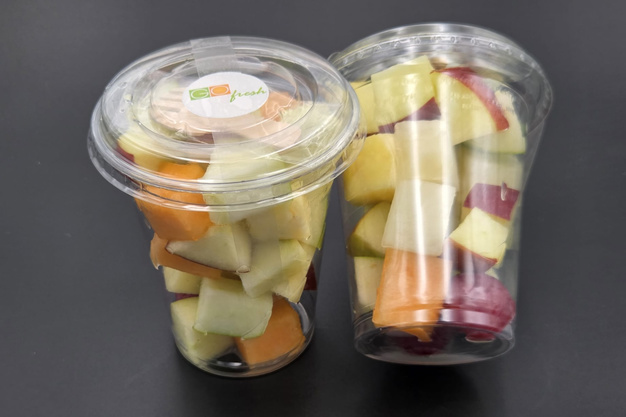
GO-fresh GmbH was founded in 2011 and is therefore celebrating its 15th anniversary this year. In 2022, the convenience specialist joined the Wersing Group together with Fresh Factory GmbH & Co. KG. In the same year, the Geilenkirchen-based company acquired Rüther Fresh Food in nearby Erkelenz. As part of the acquisition, comprehensive restructuring was carried out, according to Junkers. “At the Geilenkirchen site, we now focus exclusively on the production of fruit products, primarily fruit salads and single-ingredient products, both dry and with infusion. In Erkelenz, on the other hand, we produce exclusively vegetable products and pre-cut lettuce. This separation was a logical step, as Rüther already has a long tradition in this area.” According to the specialist, synergies were primarily found in the partially overlapping customer bases.
 © Go-Fresh GmbH
Uncertainty characterizes market conditions
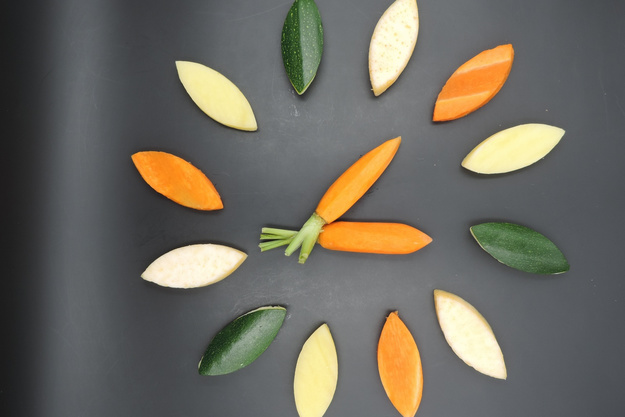
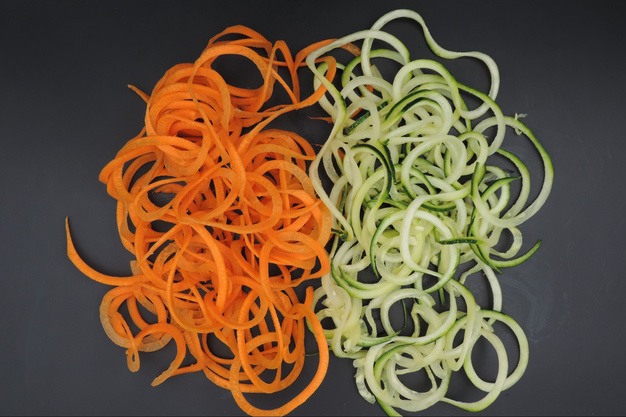
The company’s product range includes well over 1,000 items, including numerous seasonal products and various cut types. Junkers: “Our reason for being continues to lie in our manufacturing character. A lot is still cut by hand here, and we want to keep it that way in the future, even if it is very labor-intensive. However, we still have sufficient staff in production.” In total, GO-fresh employs around 80 people at both locations, hailing from a wide variety of countries, including Eastern Europe, Africa, as well as Central and Southeast Asia.
 © Go-Fresh GmbH
In addition to staffing, climate change and rising costs also pose significant challenges at times. “Uncertainty runs through the entire value chain and, unfortunately, does not spare us either. We are still working with semi-annual prices for our products, but I do not rule out that we will reintroduce monthly pricing in the short to medium term.” The biggest drivers include labor and fuel costs, as well as packaging materials, the production of which in turn requires crude oil and natural gas. The current turmoil of war is also making itself felt in in-flight catering—one of GO-fresh’s most important markets since its founding—and is already leading to increased flight cancellations, Junkers adds.
 © Go-Fresh GmbH
Year-round sourcing and processing of overseas melons
Especially in vegetable processing, specialty items are noticeably gaining importance, Junkers continues. “We have been working for some time with the company Keltenhof from Filderstadt, which supplies us with local Bimi, among other things. We source Asian vegetables such as pak choi, as well as kai lan, partly from the Netherlands and Germany. We have noticed that menus are adjusted if an item is unavailable.”
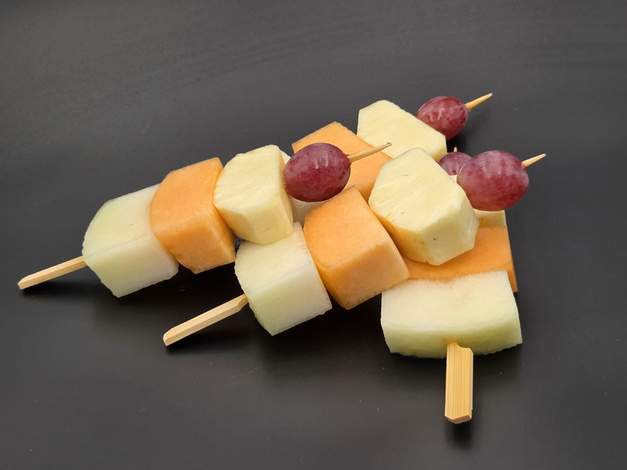
Sourcing fresh fruit is simpler in this regard, although there are seasonal fluctuations and challenges here as well. “In the past, we repeatedly had delivery issues with Spanish melons. As a result, we decided to source only produce from Brazil. Here, not only is production reliability guaranteed, but high quality is consistently maintained. In practice, this means that the produce is delivered not too ripe but with a good Brix value, allowing us to guarantee a certain shelf life to our customers. We accept the higher logistics costs accordingly.” This year in particular, there have been challenges in sourcing overseas citrus fruits and Intense tomatoes, among other things.
 © Go-Fresh GmbH
Product development and future potential
Despite operating at full capacity, the product portfolio is continuously and carefully reviewed, discussed, and optimized. New this year is the Crystal lettuce variety from Rijk Zwaan. Other emerging trends include green asparagus, pitahaya skewers, and white strawberries (pineapple berries). “Especially with fruit, year-round availability of every single product is an absolute prerequisite,” says Junkers, whose regular customers include, in addition to in-flight catering, primarily suppliers to the restaurant and hotel industry, bakeries and pastry shops (partly through the partner company Backfrucht GmbH), and manufacturers of ready-made meals. “Our primary goal is to retain our customers through our range of services. Our location near the border triangle certainly helps us in this regard, as we are now well-represented in the Netherlands and Belgium as well. But in Germany, too, the trend toward ultra-fresh convenience foods—especially in the out-of-home catering sector—has recently gained significant momentum.”
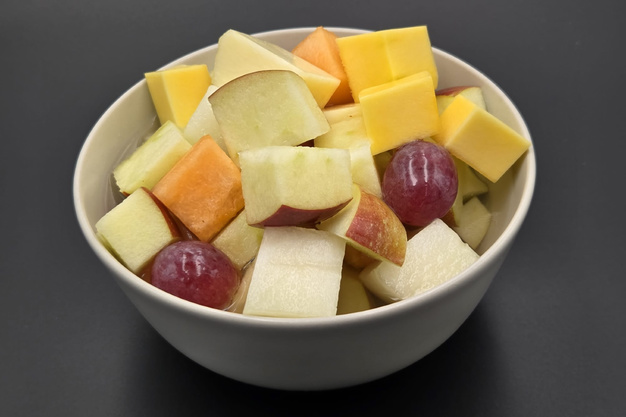 © Go-Fresh GmbH
In the coming years, the goal is to continue tapping into this potential despite the ever-present challenges. “We see a clear trend toward healthier, climate-friendly, and sustainable nutrition, which will continue to shape the market in the medium term. Our task is to meet this increased demand with appropriate concepts and products and thus benefit from the upward trend,” he concludes.
For more information:
Stephan Junkers
Go-fresh GmbH
Benzstraße 5
52511 Geilenkirchen
Tel: +49 2451 90722-10
[email protected]
www.go-fresh.net
Source: The Plantations International Agroforestry Group of Companies