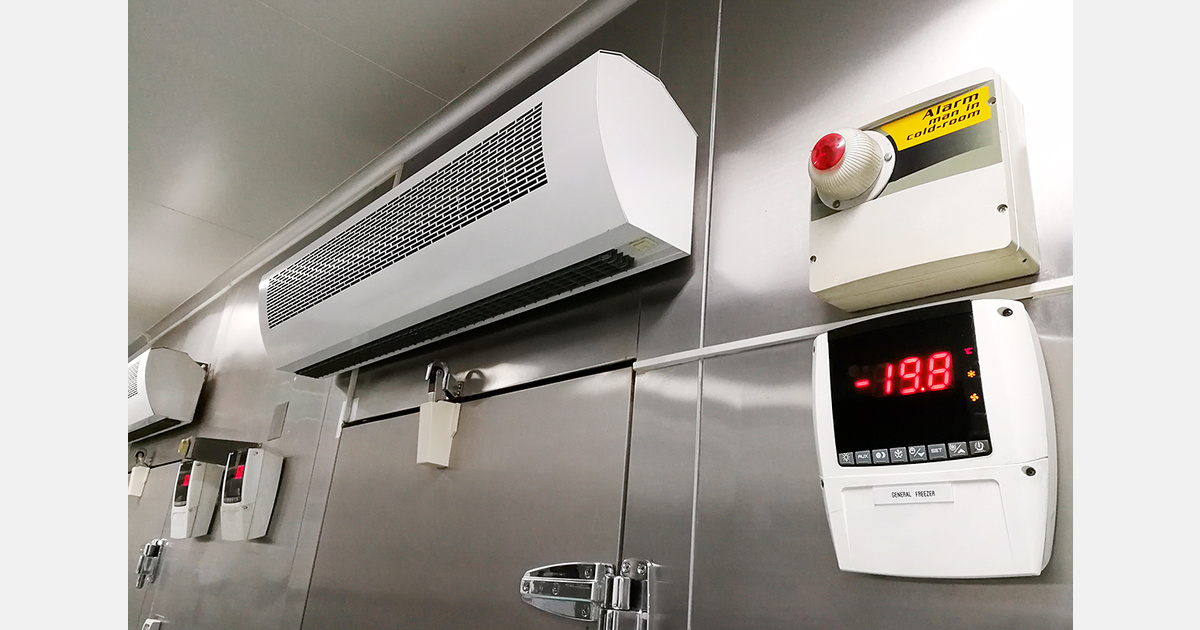
Fruit growers and traders in Pakistan’s Balochistan province face rising cold-storage costs due to unreliable electricity supplies. In Killa Abdullah district, apple grower Mohammad Iqbal spends approximately Rs90,000 (US$325) per night on diesel generators to maintain refrigeration.
His cold-storage facility accommodates 75,000 crates of apples, which can be stored for up to five months while awaiting better market prices. Despite investing Rs24 million (US$86,639) in solar panels and batteries, the facility still relies on diesel at night.
Balochistan harvested approximately 2.34 million tons of fruit in 2023-24, including 798,143 tons of apples, 193,176 tons of grapes, 175,130 tons of apricots, and 660,443 tons of dates.
According to the Food and Agriculture Organization, inadequate post-harvest infrastructure can contribute to fruit and vegetable losses of 20 to 40% in Pakistan.
The government has committed approximately Rs55 billion (US$198.5 million) to solarising more than 27,000 agricultural tube wells, while provincial climate plans also identify solar-powered cold storage as an option to reduce post-harvest losses.
However, limited battery capacity and high storage costs continue to constrain solar-powered refrigeration. Groundwater depletion and disrupted border trade are adding further pressure on the region’s fruit sector.

Source: The Plantations International Agroforestry Group of Companies