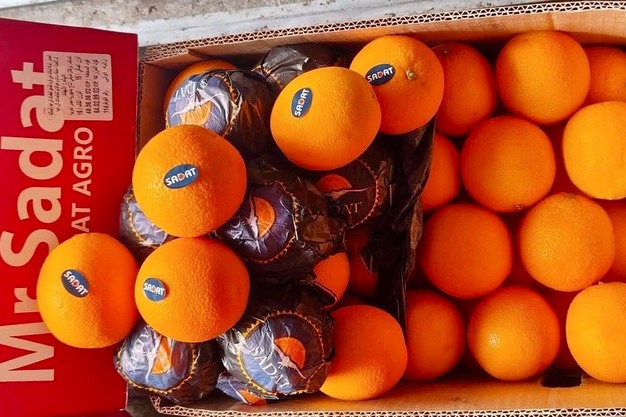
Imported citrus in Bangladesh is currently anchored by Egyptian Valencias and newly arriving South African mandarins, with buyers shifting focus toward South African mandarins ahead of the RSA Valencia season, says Monjur Humayun of RKA International, a fresh produce importer with operations in Bangladesh and Poland.
“Presently we are busy with Egyptian Valencias, which are almost at the end of the season,” Monjur says. “In the coming weeks, we expect lower shipments from Egypt, which may support better pricing when the fruit arrives in Bangladesh. At the same time, the new crop of RSA mandarins is being packed, with Bangladeshi customers now concentrating on RSA mandarins, and Valencias oranges next.”
 © RKA International
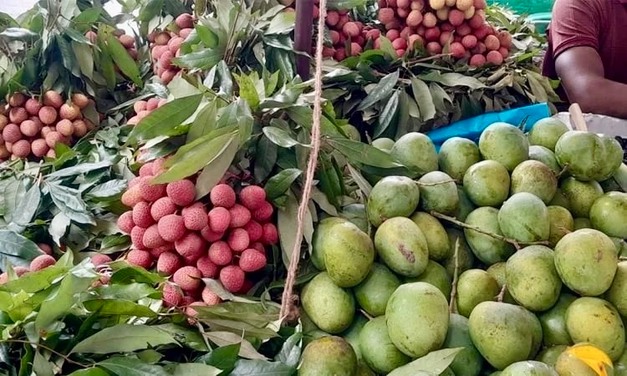
As the RSA season is just beginning, arrivals remain difficult to predict, Monjur admits, noting that fewer than 100 containers are currently arriving each week on average. At the same time, Bangladesh’s traditional fruits such as mango, lichi, jackfruit, and lotkon are also in season, creating strong competition for imported fruit, he adds. “Over the next three months, the chances of generating strong revenues from imported citrus are relatively low.”
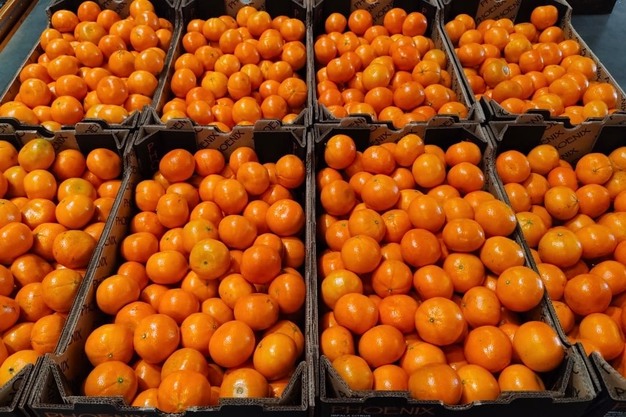
This season, Chinese Wogon mandarins were priced at around USD 8.00 for a 9 kg box. “With the season now wrapped up, the market tilts its focus towards South African citrus.” Popular citrus varieties in Bangladesh include South African Nova, Royal Honey Murcott, Tango, Nadorcott and Navels, with Novas and Murcotts dominating preferences. “New citrus varieties are difficult to promote because they fetch lower retail prices and are not viable at large scale,” Monjur observes.
 © RKA International
One of the challenges Bangladeshi importers face is international exporters sending class 2 fruit, while buyers prioritize class‑1 quality. “Exporters continue to offer class‑2 fruit with buyers expecting class‑1. Although the fruit tastes the same and costs a dollar less, the exterior blemishes tend to create conflict and trust deficits in the trade.” For RSA mandarins, the most popular sizes are from 1xx to 4; for Egyptian oranges, counts of 72/88 are preferred.
Prices are highly volatile and driven by weekly arrivals. “When too much fruit arrives through 80 to 130 containers per vessel, the market price drops. But if 30 to 60 containers arrive weekly, importers get to stay profitable by a decent margin,” Monjur explains, adding that citrus can be a highly profitable segment, but more often than not, importers must navigate heavy price fluctuations.
 © RKA International
Another challenge is the high duties paid on fruit imports, making trade transactions even more unpredictable. “The imported fruit business in Bangladesh is inherently unpredictable as no one can tell in which week trade will be profitable.”
In the coming weeks, RKA International will focus on RSA mandarin orders. “We will be busy with RSA mandarins in the coming weeks. The market will continue to depend on arrival volumes, the overlap with local seasonal fruits, and whether class‑1 quality can be supplied consistently in a high‑tax, volatile environment.”
For more information:
Monjur Humayun
RKA International
Tel: +880 18 19 272 577
Email: [email protected]

Source: The Plantations International Agroforestry Group of Companies