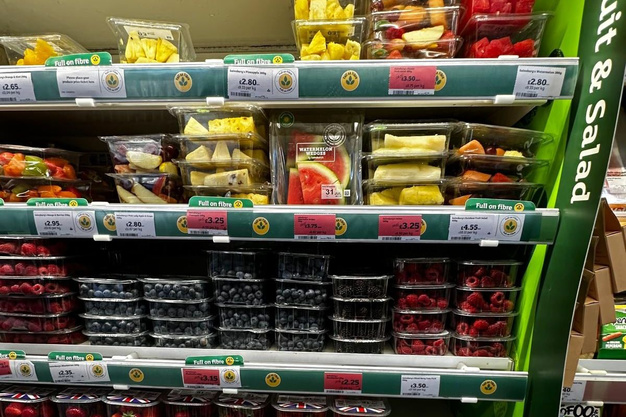
The growing use of GLP-1 medications is changing how U.S. consumers eat, plan meals and shop for groceries, and fresh produce appears well positioned within those changes. Although users report eating less food overall and reducing portion sizes, many are intentionally increasing their consumption of fresh fruits and vegetables.
Research presented by Anne Marie Roerink of 210 Analytics shows that 18.1 percent of U.S. consumers surveyed currently use GLP-1 medications. Another 11 percent expect to start within the next six months. Usage currently over-indexes among consumers between the ages of 29 and 60, higher-income households, households with children and consumers living in urban and suburban areas.
“Rising GLP-1 medication usage is driving profound changes in meal planning, shopping and meal preparation,” Roerink shared. Weight management is now a major reason for using the medications. Among current users, 43 percent cite weight loss as their primary reason and another 20 percent use GLP-1s to maintain a healthy weight, compared with 23 percent who primarily use them for Type 2 diabetes.
 © 210 Analytics
Less food, but more produce
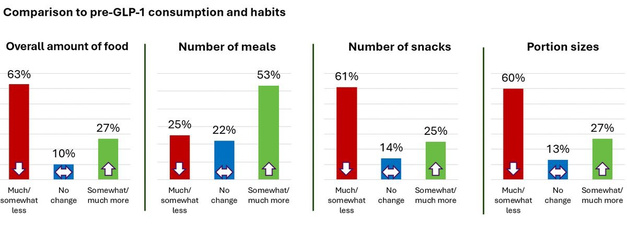
GLP-1 medications have a significant impact on the amount and type of food consumers eat. Sixty-three percent of users report consuming less food than before taking the medication, while 60 percent have reduced portion sizes and 61 percent eat fewer snacks. At the same time, 53 percent report eating more meals, pointing to a shift toward smaller eating occasions throughout the day.
 © 210 Analytics
GLP-1 impact on consumption: less food and snacking overall, but more smaller meals
Food choices are changing as well. Nine in ten GLP-1 users have altered the types of foods they consume. Fifty-six percent intentionally eat less of certain foods, while 41 percent are deliberately eating more of others. Sweet treats top the list of foods being reduced, followed by fried or fast food, alcohol, and salty snacks.
Produce shows the opposite pattern. Among consumers intentionally increasing certain foods, 49 percent are eating more fresh vegetables and 46 percent more fresh fruit. Fiber-rich foods are also gaining, with 37 percent reporting increased consumption. Fresh produce consumption frequency supports this shift. GLP-1 users are more likely than non-users to eat fresh produce four to five days per week, while 36 percent consume it nearly every day.
 © 210 Analytics
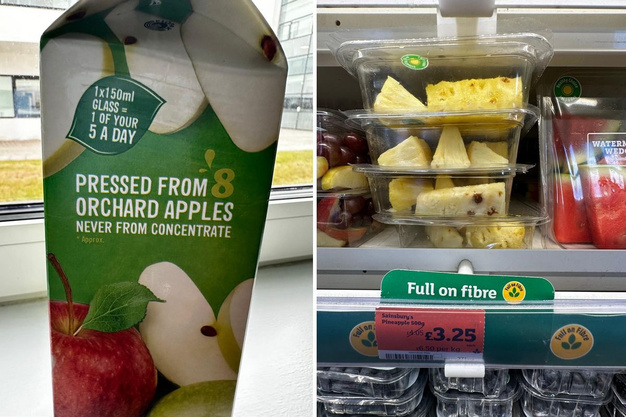
Highlighting relevant GLP-1 benefits, such as fiber.
Apples, berries and broccoli stand out
Some produce categories appear particularly well positioned. Among GLP-1 users who intentionally increased fresh fruit consumption, 62 percent are eating more apples, followed by blueberries at 60 percent, strawberries and bananas at 59 percent each. Grapes were mentioned by 43 percent, while citrus and melons each reached 41 percent and avocados 40 percent.
The shift is even more pronounced for vegetables. Seventy percent of consumers increasing their vegetable intake are eating more broccoli and/or cauliflower, followed by cucumbers at 62 percent, tomatoes at 58 percent and carrots at 54 percent. Salad kits were mentioned by 51 percent, while 46 percent are consuming more lettuce and leafy greens.
Smaller packages and more planned purchases
Changes in consumption are translating directly into the grocery store. All GLP-1 users surveyed reported changing their grocery shopping habits in some way since starting the medication. More than half now look for smaller packages or portion sizes, while 50 percent skip certain aisles such as treats or ice cream. Forty-six percent plan meals more carefully and 45 percent make fewer impulse purchases. More than one-third spend additional time reading nutrition labels.
This creates opportunities beyond simply selling more fruits and vegetables. Eighty-six percent of GLP-1 consumers say more information about GLP-1-friendly produce would influence their consumption. Interest ranges from recipes and meal solutions to smaller packages, ready-to-eat produce snacks, high-fiber meal inspiration and nutrition signage. “GLP-1 consumers welcome solutions,” Roerink noted, with the research showing similar levels of interest in shopping solutions, meal ideas and nutritional information.
With GLP-1 usage continuing to expand, the effect on food purchasing is likely to become increasingly visible. For fresh produce, the opportunity may lie not only in higher consumption of certain items, but in adapting portions, packaging and nutritional communication to a consumer who is eating less overall while becoming much more deliberate about what goes on the plate.
 © 210 Analytics
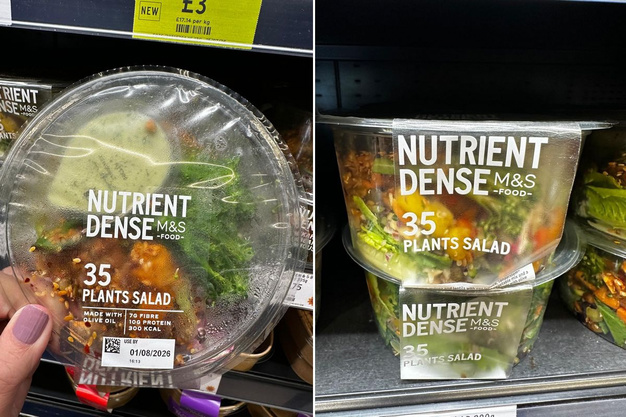
Nutrient-dense salad line. This particular salad contains 7 gr. of fiber, 10 gr. of protein and 300 calories.
 For more information:
Anne-Marie Roerink
210 Analytics LLC
Tel.: +1 (210) 651-2719
[email protected]
www.210analytics.com

Source: The Plantations International Agroforestry Group of Companies