Tanzania’s avocado sector is still young but growing fast. With shipping to Europe complicated by the Red Sea situation, India has become the main outlet this season. Exporters say a fully functioning Dar es Salaam port could transform the industry’s competitiveness.
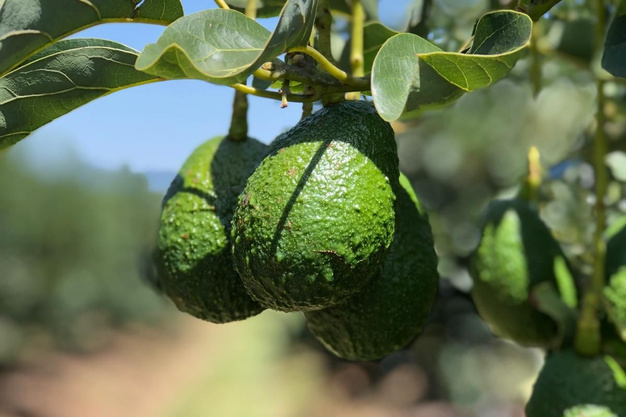
Tanzanian exporters can still source good-quality fruit at this late stage of the season, with new-crop avocados already arriving from other regions. “Quality fruit is still available, although the dry matter is now high,” says Mwinyiheri Ali Zidadu of Agriexport and agribusiness specialists at Kostiv. “At the same time, new green-skin fruit is coming from different regions of Tanzania, such as Mbeya and Songwe.”
 © Kostiv
The overlap between the end of one season and the start of the next allows Tanzanian suppliers to offer fruit over a longer window. Petro Richard Kostiv, CEO of the company, says the company is working to extend that window further through new plantings. “We are acquiring around 2,000 more acres this year, some of them in the Kigoma region on the border with Burundi. The aim is to diversify the period in which we can supply avocados.”
This season looked quite different from the last, mainly because of where the fruit could go. “India is the only active market for us at the moment, because it is difficult to get fruit through the Red Sea to Europe,” Mwinyiheri says. “The picture was completely different last year when we were still shipping to Europe.”
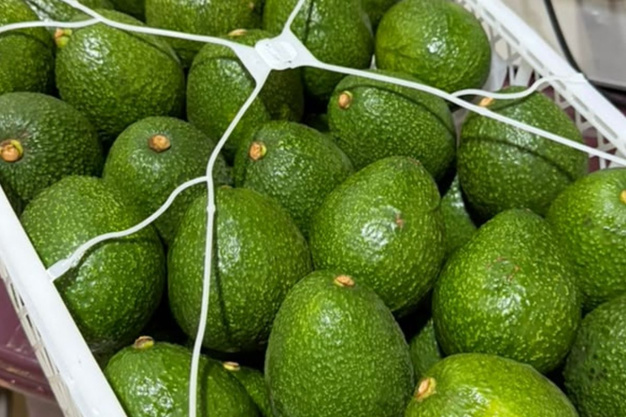
Logistics are a second pressure point. Most Tanzanian avocados are not shipped through Dar es Salaam but through Kenya’s Mombasa port. “Most of our fruit goes through Mombasa, and that adds a lot of cost to our value chain,” Mwinyiheri explains. “We need to look at how we can get the Dar es Salaam port working, so that we can reduce costs and be competitive in the market.”
 © Kostiv
Cold chain capacity is another limiting factor. “The avocado industry in Tanzania is still new and still growing. We have few pack houses and the cold rooms are not enough. These are long journeys and temperatures in Tanzania are sometimes high, so we need to invest much more in the cold chain,” he says.
Exporters are not waiting passively. “We have been discussing this and lobbying the government to make sure the process moves as quickly as possible. Progress is still slow, but we know the government is working on it, and eventually we will solve the problem.”
After a season of heavy exposure to India, exporters now have a clearer picture of its requirements. “Buyers are looking for big sizes, mostly 14 to 22, although a few take 24s,” Mwinyiheri says. “We don’t really have a market for the small sizes, which makes it a difficult market during the low season, when you mostly get small fruit. In the high season it is very good, because the fruit is there.”
On quality, appearance comes first. “The main thing the Indian market looks at is the outer appearance of the fruit. It is not as diverse as the European market, which accepts even fruit with a little bit of damage.”
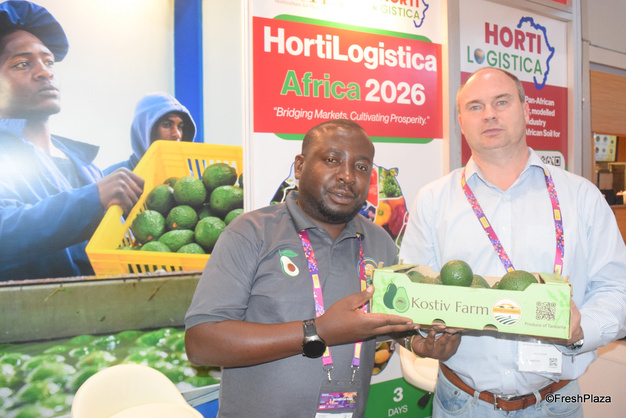
Tanzanian exporters are also looking at China as a second destination. “We have not started trials in China yet, but we have already applied for the required permits and certification,” Mwinyiheri says. “Some Tanzanian exporters have already obtained the certificates and are shipping. We are following the same path and are now waiting for the green light, so we perhaps can start exporting to China next season.”
 © Youness Bensaid | FreshPlaza.com
Like in neighbouring countries, Tanzanian growers are focusing on Hass avocados, while demand for green-skinned varieties is growing, with prices sometimes higher than for Hass. Mwinyiheri believes the answer lies in farmer education. “It is all about awareness. Farmers are told Hass is what is in the market, so they see it as the only product they can sell. As a company, we are already growing Fuerte on a very large scale, and we are also looking into Pinkerton. Through our outgrower program, we will help farmers find a balance and diversify between Hass and green skins.”
Fruit that does not meet export specifications has other outlets. “Every avocado in Tanzania has a chance to go somewhere, and nothing goes to waste,” Mwinyiheri says. “Fruit that is not going to export goes to the oil industry or to local markets.”
So far, the company has planted around 1,000 acres of avocados. Alongside the additional 2,000 acres, it is preparing a pack house and moving toward oil production, according to its CEO. “We believe Tanzania is currently the tenth-biggest avocado exporter in the world, but within five years I predict it will move into the top five or six. Once Dar es Salaam port is open to exporters, there is nothing that will stop us,” Kostiv concludes.
For more information:
Petro Kostiv
Kostiv
Tel: +1 (310) 850-0200
Email: [email protected]
Mwinyiheri Ali Zidadu
Tel: +255 655 505 369
Email: [email protected]

Source: The Plantations International Agroforestry Group of Companies