Australia is taking steps to protect its citrus industry from Huanglongbing (HLB), or citrus greening, with promising field trial results emerging from a Hort Innovation-funded research project.
HLB has caused a multi-billion-dollar reduction in Florida’s citrus industry since its detection in 2005, with cultivation costs doubling and volumes falling by 90 per cent.
Researchers have developed an approach using a harmless virus modified to carry a defence protein that supports the tree’s immune system, effectively ‘vaccinating’ it against HLB.
Hort Innovation General Manager of Production & Sustainability R&D Anthony Kachenko said early results demonstrated the potential of a product designed to protect citrus trees.
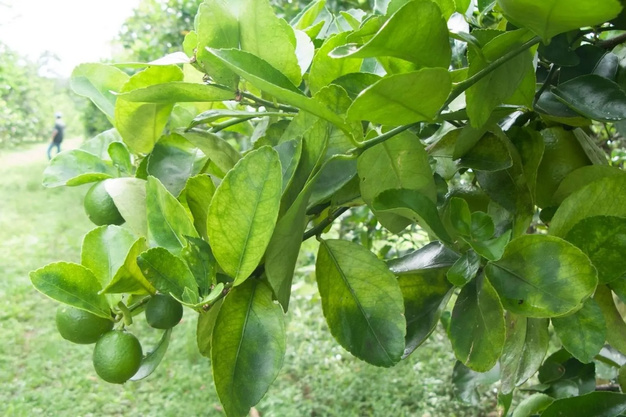 © Hort Innovation
“While Australia remains free from HLB, the disease has caused significant damage to citrus industries around the world, resulting in reduced yields, increased production costs and, in some regions, the loss of entire orchards,” Mr Kachenko said.
“By investing in solutions before the disease arrives, Australia is positioning itself at the forefront of global biosecurity preparedness.”
Rafael Simon, Silvec’s CEO, who led the project in the United States, said a single application could immunise plants without genetically modifying them, potentially providing long-term protection against various pathogens.
“The promising results we’re seeing from our field trials demonstrate the potential of innovative technologies to help safeguard the future of Australia’s citrus industry,” Dr Simon said.
The project focused on developing a disease-resistance platform for Australia that could eventually support commercial nursery systems. Growers may be able to purchase trees with increased resistance to HLB and other pathogens.
Hort Innovation said the research would help protect citrus cultivation, maintain market confidence and support grower profitability.
Citrus Australia CEO Nathan Hancock supported early investment in HLB preparedness but emphasised the need for further evidence before adoption.
“Australia has the advantage of being able to prepare for HLB before it arrives. Investing in research now gives our growers the best chance of having effective management tools available if we ever need them,” Mr Hancock said.
“The early research is encouraging, but we need to be careful not to get ahead of the evidence. We want to see robust, transparent results over multiple seasons, together with appropriate regulatory scrutiny, before determining what role this technology might play for Australian citrus growers.”
 © Hort InnovationFor more information:
Horticulture Innovation Australia
Tel: +61 (0) 475 369 202
Email: [email protected]
www.horticulture.com.au

Source: The Plantations International Agroforestry Group of Companies