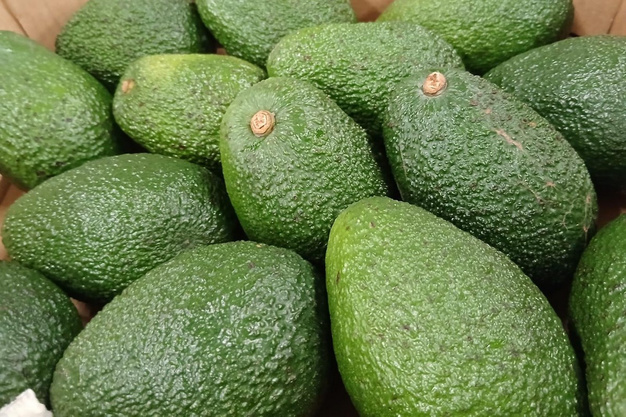
The European avocado market is going through a highly critical phase, characterised by an unprecedented oversupply. In June 2026, record import volumes driven mainly by Peru will continue to saturate the distribution channels, leading to a price drop that, in some cases, will force operators to sell below cost in order to clear stocks.
This is the analysis of Giorgio Donnarumma, sales manager of the Milan-based Nuovafrutta, who, however, emphasises that “Although the current situation is marked by high stocks and average prices down by more than 20% compared to the previous year, there are signs of potential improvement. Fruit quality and a significant recovery in the US market could rebalance flows during the month of July, offering a way out of the current pressure.”
 © Giorgio Donnarumma
“According to the latest updates, arrivals in Europe reached around 6 million 4 kg packages, marking a 20% increase compared to the norm for the period, despite a slight drop from the previous week’s peak of 6.9 million. Peru currently accounts for around three quarters (75%) of the total supply destined to the European continent. Peruvian shipments have stabilised at between 4.6 and 4.8 million packages per week, and are expected to remain at these levels until at least week 24. To mitigate the oversupply, other supplier countries have reduced volumes. Arrivals from South Africa dropped to about 500,000 packages, while Brazil reduced exports to about 400,000.”
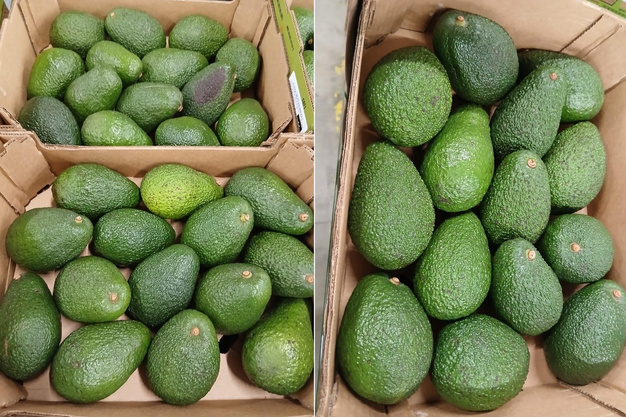
The accumulation of stocks in distribution centres is generating fear among importers, according to the wholesaler. “In extreme cases, to free up already-saturated warehouses in the face of imminent new arrivals, sales have been recorded at €7 per package, often below the purchase cost.”
 © Giorgio Donnarumma
Uneven grades
The market shows differences between the various product types. Large grades (12, 14, 16) represent the weak link in the current chain. “Excessive availability forces operators to sell-off strategies. Grade 16 is sometimes offered at the same unit price as grade 18 in order to make it easier to sell. Smaller grades of 22 and upwards are instead showing stable or slightly rising prices due to lower availability.”
Decreasing prices, but higher quality
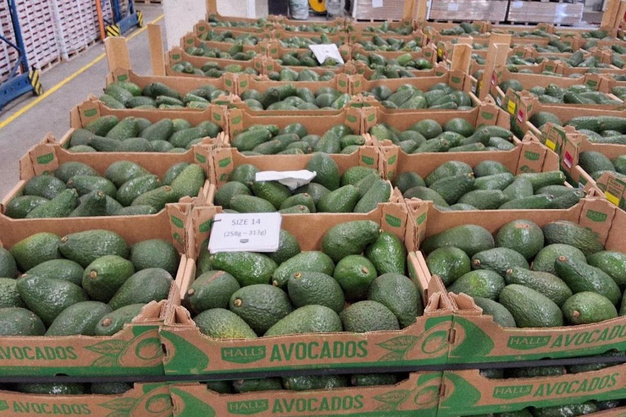
“The European reference price for grade 18 Hass avocados stood at €8.89 per 4 kg package in week 22, a 21% decrease compared to the same period last year. Drops are even more pronounced for large grades. The average import prices for grades 12 and 14 fell to €6.75 per package, 37% lower than historical averages. Grades between 16 and 20 recorded an average of €7.36 per package, down 28%.”
The retail market is also affected by the situation, according to the wholesaler. “In France, the average price of packaged avocados fell to €0.72 per piece while, in German discount stores, the average price stood at €1.21 per fruit. Promotional activities in European supermarkets remain particularly intense in an attempt to stimulate consumption and lighten stocks.”
 © Giorgio Donnarumma
An encouraging aspect in this critical scenario is the gradual improvement in the quality of the fruit. “The Peruvian harvest is moving towards coastal areas, ensuring more uniform quality standards. Batches with quality problems are gradually being removed from the fresh market and sent to the processing industry. This strategy helps maintain consumer confidence, with solid demand despite the oversupply.”
Greenskin varieties
The Italian market, in particular, shows difficulties for greenskin varieties (Fuerte, Ettinger, Pinkerton) from Peru, South Africa, Zambia and Kenya. “These varieties fluctuate between €7-8 when bought and around €10 when sold. With Hass avocado quotations so low, it is extremely difficult to place alternative varieties, except for a small niche of consumers fond of Pinkerton.”
The “U.S. factor”
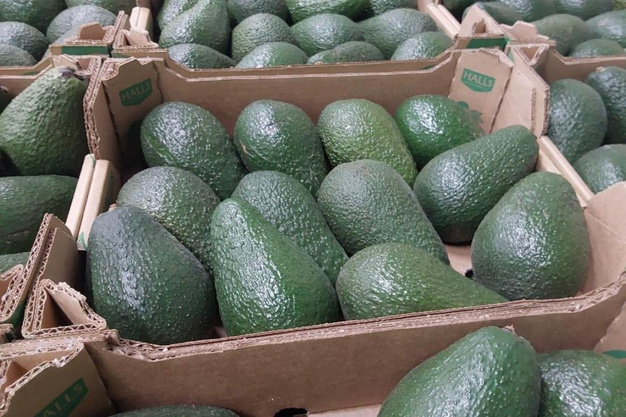
Although the next two weeks (23 and 24) still predict critical volumes around 6 million packages for Europe, July 2026 could mark a turning point. “In the US, Hass avocado prices have risen sharply to over $20 per package in a single week, due to reduced Mexican supplies. This sharp rise is making the US market extremely attractive for Peruvian producers. Due to disappointing prices in Europe, Peruvian producers are starting to divert some volumes to the US.”
 © Giorgio Donnarumma
The wholesaler therefore predicts that, should the US market absorb a sufficient share of Peruvian production – expected to be around 8 million total packages per week until week 29 – the pressure on Europe will decrease significantly. “Forecasts point to a much more active and dynamic July, with a potential price recovery and smoother trade,” concludes Donnarumma.
For more information:
Nuovafrutta
Via Cesare Lombroso 54
20137 Milan – Italy
[email protected]

Source: The Plantations International Agroforestry Group of Companies