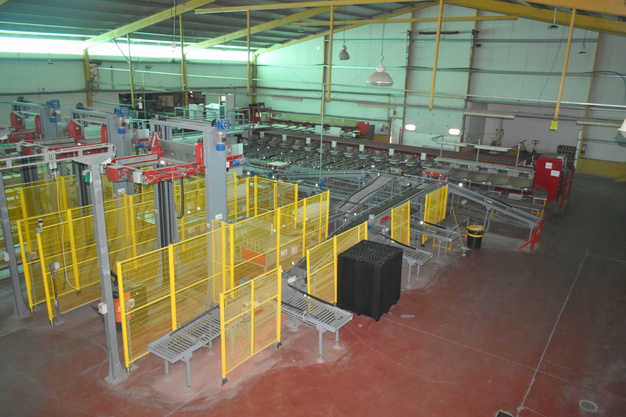
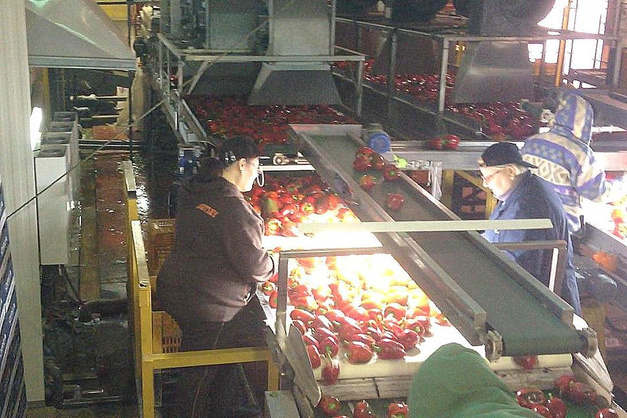
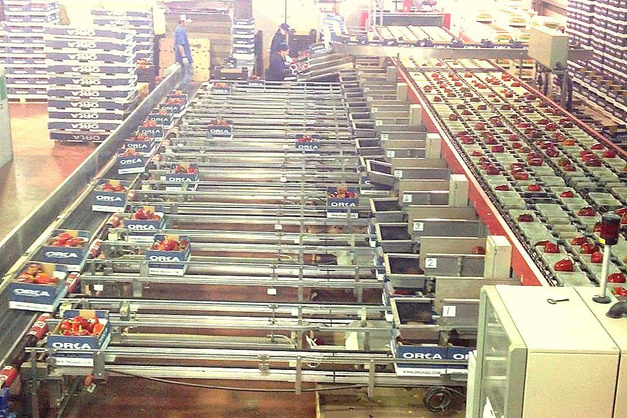
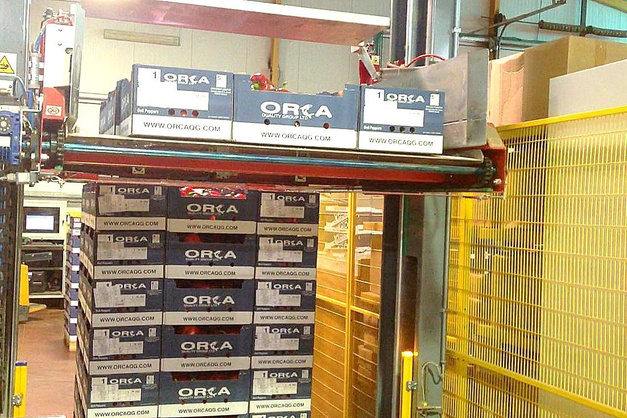
At Orca Agriculture in Idan, Israel, the Aweta bell pepper sorting line still lies idle, for now. The bell pepper season has yet to begin at the company, unlike at a fellow grower in Pharan, 170 meters higher up in the same Arava Valley. “Our locations have very different weather conditions, so we start a month later,” begins Orca Agriculture’s Hezi Ben Aziz.
 © Sander Bruins Slot | FreshPlaza.com
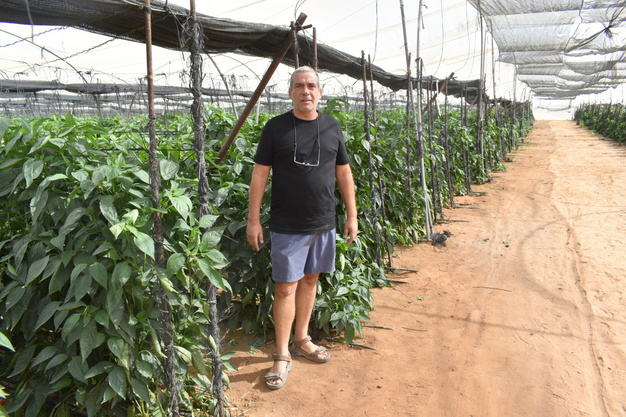
That season is set to start within two to four weeks. “But the weather is still unusual, even now. It’s not been truly hot. We planted a week earlier, but we’ll be harvesting two weeks later.” Hezi will begin harvesting in early December, and production will continue in several greenhouses through April.
 © Sander Bruins Slot | FreshPlaza.com
Hezi in his greenhouse
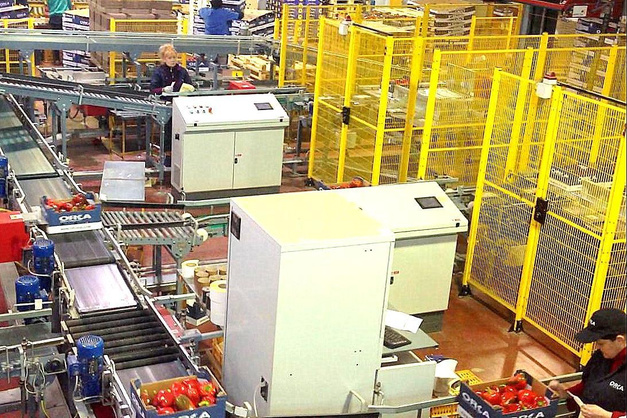
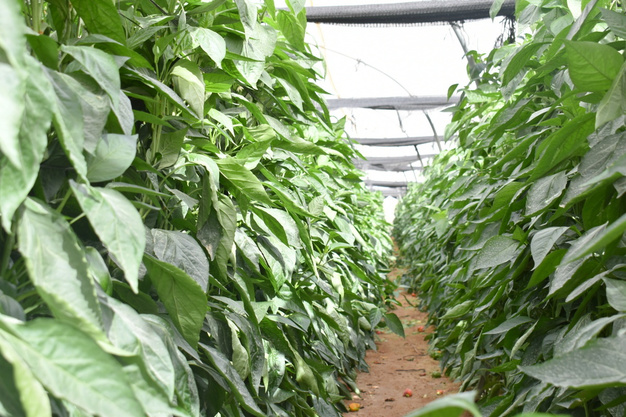
Hezi is in a unique position: he is the only remaining bell pepper grower in Idan. “There used to be plenty of growers here, but when most didn’t achieve results, they gave up. I’m the only one left,” he says. Orca also stays true to its vision by growing, packing, and selling its bell peppers from a single site. “I firmly believe in that approach; we can see every bell pepper that leaves our packing house.”
 © Sander Bruins Slot | FreshPlaza.com
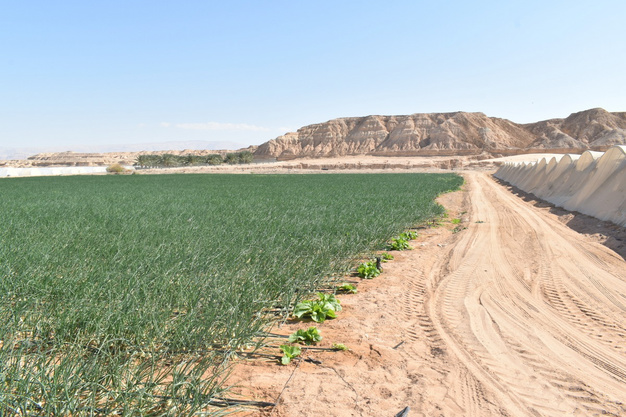
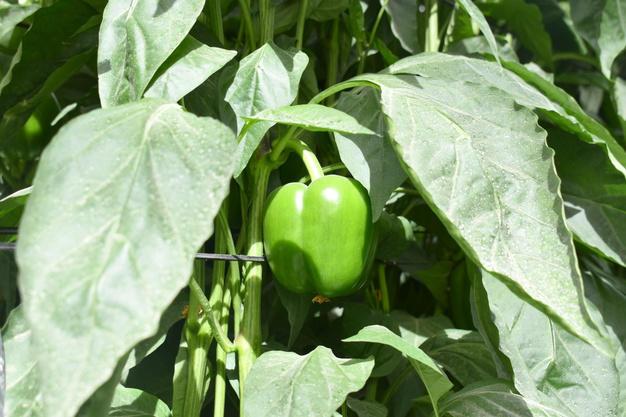
In the region, most bell peppers have made way for other crops, such as date palm trees. Hezi, too, grows onions among the netting in his greenhouses along the border with Jordan, but bell peppers remain his specialty. “The bell pepper situation looks somewhat more promising due to problems in other countries like Spain and the Netherlands. Growers, though, aren’t quick to switch back to this product; it’s quite an expensive crop to grow,” he explains.
 © Sander Bruins Slot | FreshPlaza.com
Onions beside the greenhouses
 © Sander Bruins Slot | FreshPlaza.com
Dutch trading houses
“In 2007, we also started packaging for fellow growers and began doing our own exports. The bell peppers mostly go to the Netherlands, where trading companies like Haluco and HillFresh handle sales. We started with 2,000 metric tons in the first year, and after four years we’d already reached 12,000 metric tons.” Orca Agriculture’s regular client base includes a customer in Cyprus.
 © Sander Bruins Slot | FreshPlaza.com
Dutch trading house Chainn has been buying Orca bell peppers loyally for years, and just last year the grower began working with Israeli company Mehadrin’s Dutch branch. “We got off to a good start with them, selling 800 metric tons of bell peppers. We’ll see if we can expand further this year. Last year, our bell peppers were shipped via Mehadrin mainly to Poland, Hungary, and the United Kingdom,” says Ben Aziz.
 © Sander Bruins Slot | FreshPlaza.com
The local market remains a backup for many Arava Valley growers. Depending on market conditions, Orca sells 10 to 70% of its volume there. “The advantage of that market is that you know what you’re getting. That appeals to many growers. Also, the local market has been very strong in recent years.”
 © Sander Bruins Slot | FreshPlaza.com
Focus on shelf life
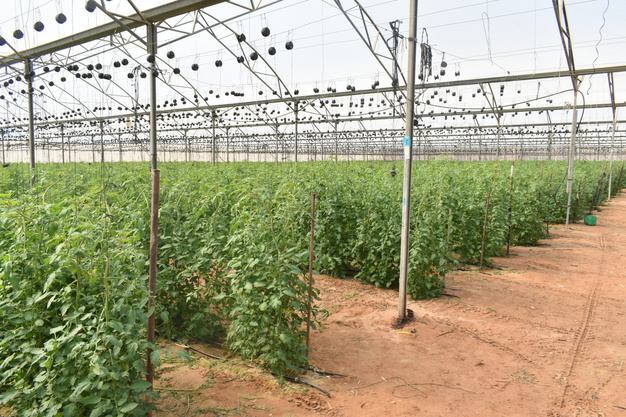
This company cultivates TOV and Galia melon crops exclusively for the local market. Most of Orca’s supply still, however, consists of red and yellow bell peppers. “We used to have orange ones, too, but there’s no longer a demand for them,” Hezi explains. He selects the varieties in close consultation with seed breeders.
 © Sander Bruins Slot | FreshPlaza.com
“I don’t just look at the weight per kilo, but also at the product’s shelf life after they’ve been in a container for a week or two. They must also be the correct size and shape. That can result in a slightly higher price per kilo, but that’s for good reason.”
 © Sander Bruins Slot | FreshPlaza.com
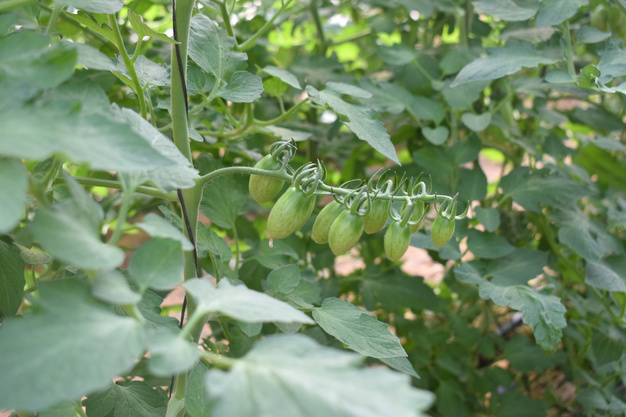
High harvesting costs have made growing tomatoes less attractive. Thai migrant workers harvest the company’s tomatoes, and Hezi has provided them with their own greenhouse to grow Thai herbs and vegetables. They will have their hands full in the coming weeks picking and packing the bell peppers. “The prospects look good, but things still have to happen first,” he concludes.
 © Sander Bruins Slot | FreshPlaza.com
For more information:
Hezi Ben Aziz
Orca Agriculture
Tel +972 50 551 9370
[email protected]

Source: The Plantations International Agroforestry Group of Companies