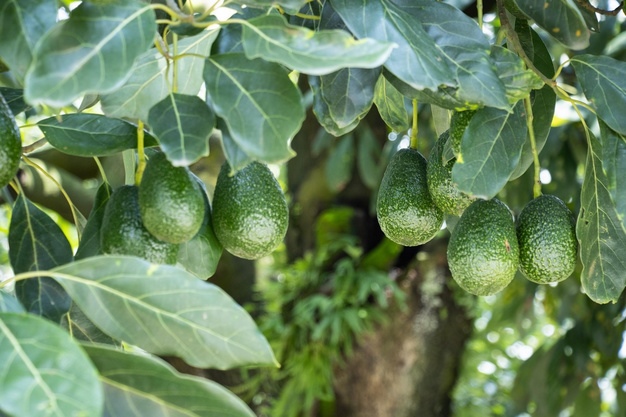
Production in the 2026/27 season is expected to slightly exceed 1.3 million tons, according to Luis Javier de la Rocha Zazueta, CEO of the Association of Avocado Producers and Packer-Exporters of Mexico (APEAM, A.C.). APEAM is facing the busiest period, with good weather prospects and its sights set on the Super Bowl.
 © APEAM
The peak of Mexico’s export campaign has just started. “The weather has been kind to us,” says De la Rocha. He says that cold spells and hail could be recorded between late December and January, but overall he expects “positive results.”
Production is estimated to amount to “just over one million three hundred thousand tons,” roughly 10% more than in the previous year. “Figures are in line with our initial projections,” he says, though he adds this isn’t something he likes talking about.
Shipments to the United States are growing as the season progresses, with the Super Bowl as the key reference point. “We are working to ensure growers and packers can again break the Super Bowl record we set last year,” he says.
 © APEAM
On the recent grower protests and harvest interruptions, De la Rocha says shipments have not been drastically affected by them. He argues that the demonstrations were a response to market conditions at the time; something “beyond” APEAM’s influence. “We do not negotiate, promote, or push any kind of pricing,” he says, stressing that the association is bound by competition law and therefore cannot agree on measures of that nature.
The CEO avoided giving price figures, but acknowledged there have been “difficult moments,” with levels “well below expectations.” He is confident that “the entire supply chain will generate synergies” to ensure that growers can enjoy better conditions.
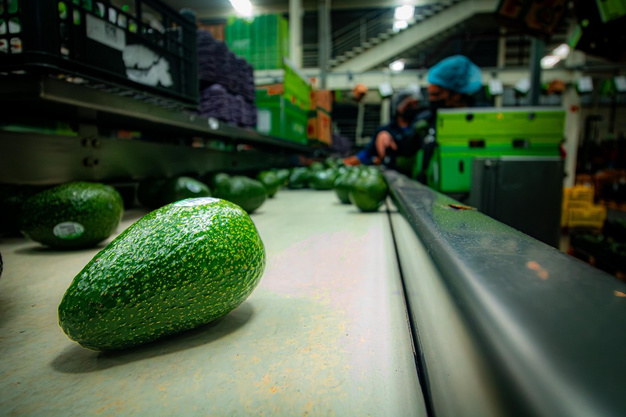
APEAM’s export program is exclusively focused on the United States. It is run in coordination with the U.S. Department of Agriculture (USDA), APHIS, Mexico’s Secretariat of Agriculture, and Senasica, covering both field operations and phytosanitary inspections. “We have been doing this for nearly 30 years,” he says.
 © APEAM
Three new certifications are going to be added to the existing ones. One is linked to labor conditions, another to zero deforestation, and there’s a third one in the works. Together, De la Rocha says, they are intended to provide “certainty about Mexico doing things better than anyone else.”
Regarding Peru and Colombia, he describes their presence in the U.S. market as “minimal” and sees them as complementary. “The sun rises for everyone. If you deliver efficiency, quality, and traceability, the United States will welcome you,” he says. In his view, both countries are helping boost consumption growth.
The main challenge, he says, is delivering a product that achieves stable demand among U.S. consumers. He argues that Mexican avocados stand out for their “higher fat content, efficiency, quality, and traceability.”
For more information:
Luis Javier de la Rocha
APEAM
Mexico
Tel.: +52 452 503 3000 ext. 1701
[email protected]
www.apeamac.com

Source: The Plantations International Agroforestry Group of Companies