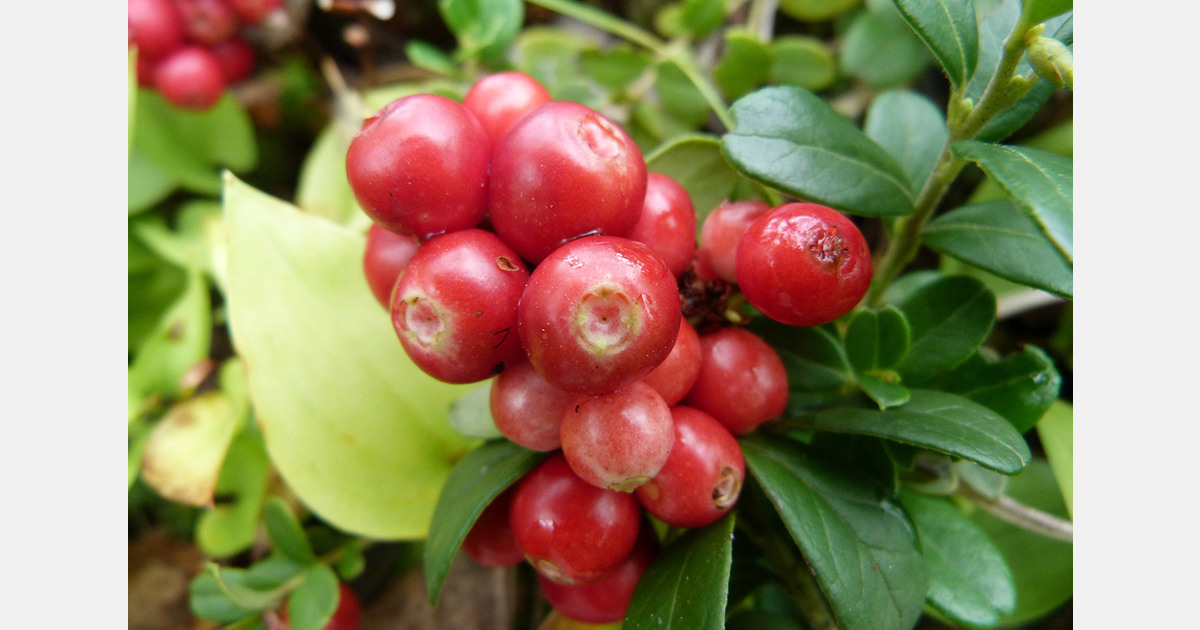
British Columbia’s 2026 cranberry harvest started earlier than in previous years, with growers reporting higher yields following pollination conditions in spring and a temperate summer across the province’s growing regions.
Brian DeWit of Riverside Cranberry Farm in Langley expects his farm to harvest its largest crop to date. “We’ll probably have our largest crop to date,” he says. “This year all the fields look like they’re firing pretty good, so we’ll hit just north of a million pounds on 34 acres. That’s a number I’m really happy with.”
The farm expects to harvest just over 453,600 kg from approximately 13.8 hectares. This equates to around 32,960 kg per hectare, compared with a British Columbia average of approximately 23,840 kg per hectare recorded in Statistics Canada data for the previous year.
DeWit grows the Crimson Queen variety from the Rutgers breeding program. Harvest started in mid-September, around ten to fourteen days earlier than in previous years. “We had a good year. We had some pretty beneficial rains when we needed them,” he says.
DeWit prunes the fields to expose berries and support ripening for the fresh market. He reports higher demand for Canadian cranberries this season, linked to consumer preferences for domestically grown products.
Most British Columbia cranberries are shipped south to Ocean Spray for processing into sweetened dried Craisins or juice. Riverside has adapted its operation to supply the fresh market. “Getting the quality that we need, that’s something that we’ve had to work hard to get,” DeWit says. “There’s a reason why not too many people do it, because it’s a challenge.”
BC Cranberry Marketing Commission chair Stephanie Nelson said weather conditions during the remaining harvest period would influence crop development. “A few more weeks of sunshine and cooler evenings should help bring the crop to its full potential,” she said.

Source: The Plantations International Agroforestry Group of Companies