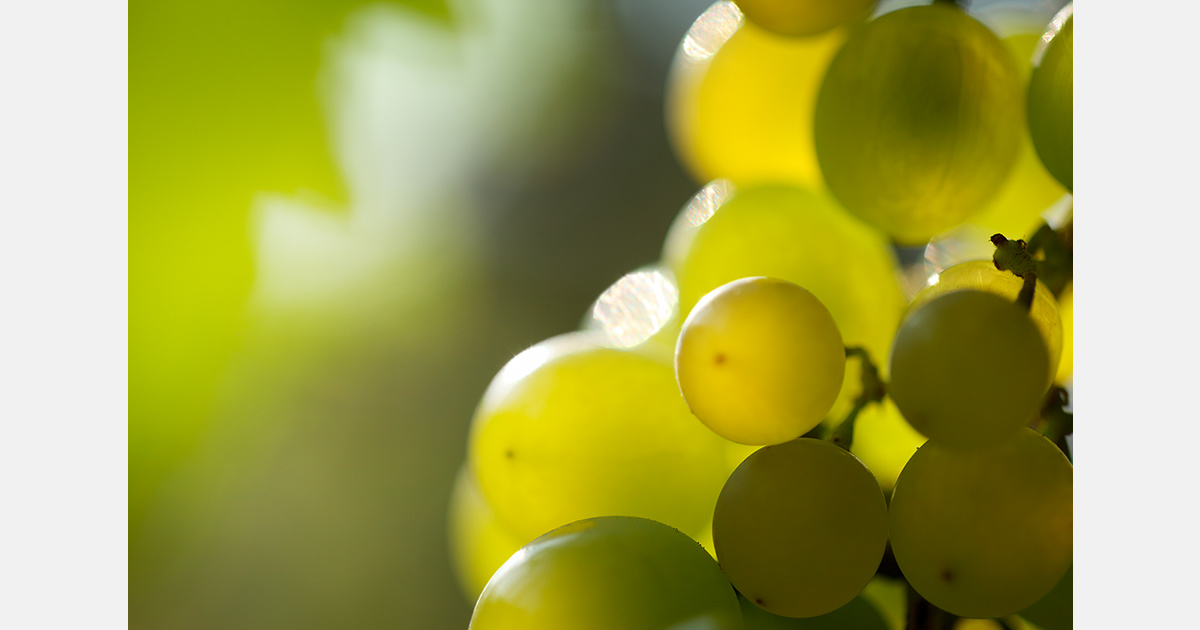
‘Cotton Candy’ grapes grown in the São Francisco Valley near Petrolina, Pernambuco, Brazil, are facing a difficult season. U.S. tariffs and California’s early harvest have reduced the region’s U.S. market share from about 90% to 65–70%.
Originally developed in California, this variety has been grown in Brazil since 2015. It covers about 500 hectares in the São Francisco Valley, with harvest running from mid-August through the end of November. Production is estimated at around 800 containers per season across all producers in the region.
João Marcos de Souza, GrandValle’s export sales manager, says the variety has a distinct identity among U.S. consumers: “It’s really appealing because it does remind people of cotton candy. This variety was already in very high demand in the United States and has forged its own identity. Nowadays, consumers look for ‘Cotton Candy’, regardless of the producer or the supermarket selling the fruit.”
The decline in exports to the U.S. has forced producers to redirect their volumes to the domestic market and to destinations such as the Netherlands and England. Prices differ significantly. Souza notes that while a five-kilo box sells for around 70 reais in Brazil, the same product can fetch up to 110 reais in the U.S. market. “There’s a substantial price difference, which could mean a loss of approximately 60% to 70% compared with the expected value in the U.S. market,” he said.
Opening up the Chinese market could provide a path to diversification, but João Marcos expects the first Brazilian shipment no earlier than 2027. Even so, the outlook does not support expanding cultivated areas. “When I speak to producers, I don’t see a trend towards increasing the area under cultivation. On the contrary, some are considering maintaining their current area or even reducing it. There is concern about profitability and dependence on a specific market,” he concluded.

Source: The Plantations International Agroforestry Group of Companies