The Republic of Moldova is recording higher apricot and peach production this season compared with last year, while the harvested fruit stands out for its commercial characteristics and suitability for export. These results are also attributable to the experience accumulated over recent seasons, which has encouraged a growing number of producers to strengthen orchard protection by investing in frost-protection technologies, anti-hail nets, irrigation systems and modern plant-protection solutions.
Producers have obtained fruit valued for its size, colour, firmness and sugar content. As a result, a significant share of the harvest meets premium commercial-grade requirements and is already being prepared for delivery to international markets.
 © APEF Moldova Fruct
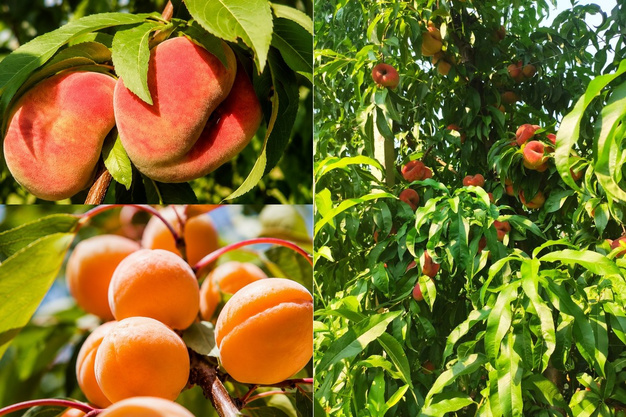
Kyoto apricots exceed 40 millimetres in size, while Lady Cot fruit reaches more than 50 millimetres. These results are supported by irrigation, fertilisation, plant-protection measures, fruit thinning and strict compliance with production technologies.
At the same time, a growing number of Moldovan companies are selecting varieties adapted to local climatic conditions and working with specialised suppliers from Spain and France. Producers favour varieties with different flowering and ripening periods, helping to reduce the risks associated with late spring frosts and extend the harvesting and marketing season.
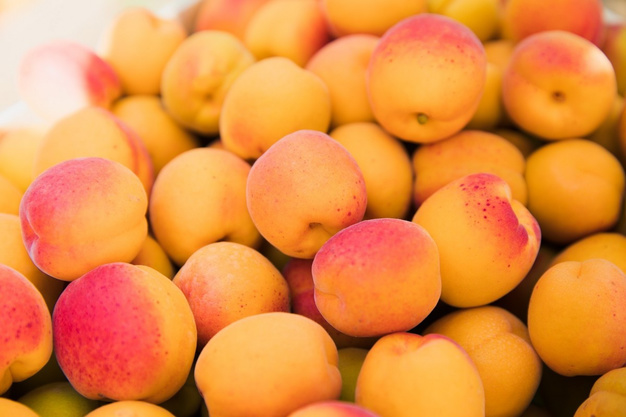
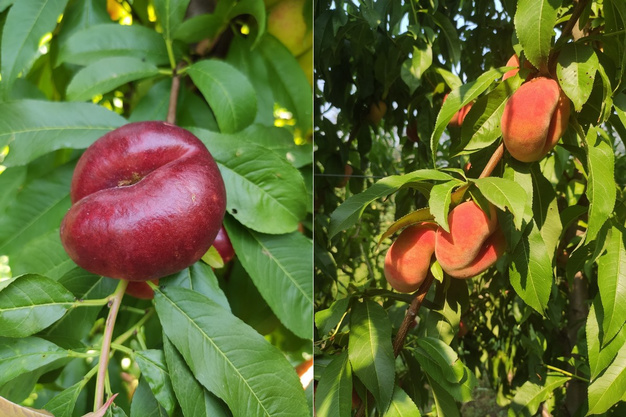
The sector’s potential is therefore increasing, and more producers are choosing to establish new orchards. Apricots, as well as flat peaches, are valued for their productivity, flavour, size and resistance to transportation, characteristics that make them increasingly attractive to consumers.
 © APEF Moldova Fruct
Investment in post-harvest infrastructure has also increased in recent years, with more companies purchasing sorting lines, pre-cooling systems and refrigerated storage equipment. These investments make it possible to preserve fruit quality and prepare uniform batches tailored to buyers’ requirements. At the same time, the development of regional sorting centres facilitates the consolidation of produce from several growers.
An increasing number of companies are implementing standards such as IFS Food, GlobalG.A.P., GRASP and SMETA. These certifications confirm compliance with requirements related to logistics, food safety, traceability and working conditions, while also facilitating access for Moldovan fruit to international markets.
 © APEF Moldova Fruct
Producers are also adapting their packaging to importers’ requirements. Modern packaging formats are being used that are resistant to transportation and suitable for different weights and commercial grades.
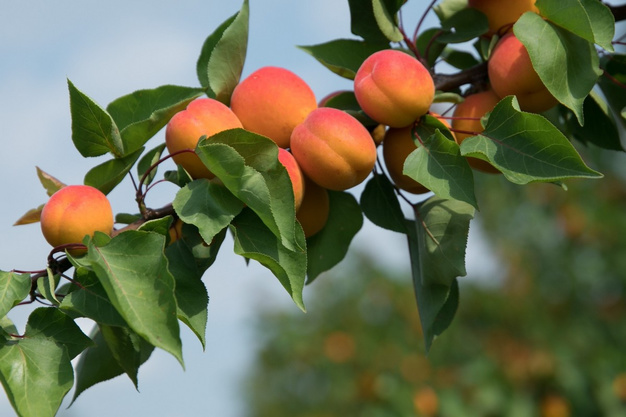
The Republic of Moldova’s total apricot production this year is estimated at between 15,000 and 17,000 tonnes, a volume comparable to that recorded in 2024.
 © APEF Moldova Fruct
Last season, Romania was the main destination for Moldovan apricots, followed by Ukraine and Serbia. Shipments to Germany, Poland, Slovakia, Latvia, Croatia and Hungary also indicate the expanding presence of Moldovan producers on the European Union market.
The diversification of export destinations, together with continued investment in quality, food safety, technology and certification, is strengthening the Republic of Moldova’s position as a competitive and reliable supplier to international importers.
For export inquiries and further information about Moldovan cherries, please contact:
Alexandra Bîcu
marketing specialist
Moldova Fruct
Email: [email protected]
Phone: +373 68 35 57 70
www.moldovafruct.md

Source: The Plantations International Agroforestry Group of Companies