A controversy appears to be brewing within Kenya’s avocado sector over the exceptional export of the fruit during periods when exports are otherwise closed. Voices within the industry are rising against the misuse of a mechanism carefully designed to protect Kenya’s reputation and origin, which they claim has instead fallen prey to cronyism and corruption. Tensions have escalated in recent days following the publication of an article in the local media outlet Kenya Insights, which has triggered investigations, farm audits, and emergency meetings amid a panic-stricken atmosphere.
 © Youness Bensaid | FreshPlaza.com
An orchestrated heist on Kenyan avocados this season?
The Kenya Insights article reveals “a capture”: the largest avocado firms are said to have pulled off the feat of exporting large volumes of fruit before the official start of the season, to the point of leaving the trees bare. The same source states that only avocados from western Kenya and the North Rift regions are eligible for the limited exemptions provided by current regulations, and this is the crux of the evidence of a hold-up, since the crops of these regions fall far short of volumes exported during the ban.
Before delving into the intricacies of the controversy, it is worth clarifying that the Kenyan regulator does not restrict the export of off-season fruit (or during season closures, aka bans) to the two aforementioned regions. It is simply a matter of seasonality. And yes, other regions can supply avocados during this time of year, particularly in central Kenya, such as in Embu.
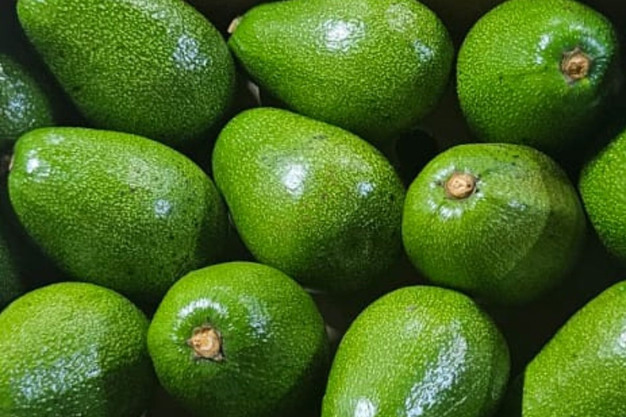 © Youness Bensaid | FreshPlaza.com
What the regulations say
In Kenya, the Agriculture and Food Authority (AFA), through its Horticulture Directorate, sets the start and end dates for the export season. The AFA’s intervention aims to protect the reputation of Kenyan products by preventing the harvesting and export of unripe fruit, translating into bans that may be extended in the event of insufficient rainfall, as was the case this season.
However, prolonged and indiscriminate bans are detrimental and risk depriving Kenyan exporters of a favorable commercial window, at a time when competition in the international market is calm, and prices are at their peak. The regulator therefore authorises exports by air and, on an exceptional basis, exports by sea, subject to obtaining an exemption permit, which involves on-site inspections to verify the fruit’s ripeness and dry matter content. Inspections are as strict as to apply to each individual shipment.
This mechanism, in place for three years now, has been welcomed by growers and exporters alike, whether small or large-scale, according to consistent statements from industry players. One grower, speaking on condition of anonymity, says, “The Kenyan Regulator (AFA-HCD) is fulfilling its mandate. The closure of exports is something we support, since if not implemented, a lot of immature fruits will be harvested. Realistically, when the Kenyan season is closed, there is not enough fruit to harvest; and on the other hand, if exports are opened without control, then the Kenyan Avocado reputation will go down.”
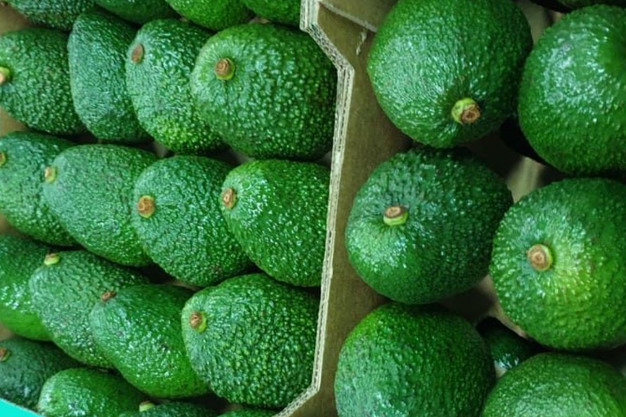 © Youness Bensaid | FreshPlaza.com
Between regulation and enforcement
The procedure for obtaining special permits is certainly transparent and open to all, whether small or large exporters, according to the aforementioned grower: “There is no favoritism when applying for an export permit during Kenya’s closed season, and the only requirement for any company is to submit an application, have its operations inspected by the regulator, and then obtain its export permit. Even the smallest companies have been granted permits once they demonstrated compliance.”
However, the implementation of this mechanism has been marred by flaws. Another exporter, speaking on condition of anonymity, describes the situation: “On paper, the system is sound. In practice, however, it is being undermined, and this is where the narrative of the Kenya Insights article hits the mark. During the closure period, exports still happen under “exceptional approvals.” This is where the problem begins. Some officials are compromised into approving volumes that exceed what has been physically verified in orchards. In other cases, politically connected exporters influence decisions, leading to approvals being granted regardless of fruit maturity. The result is that only a few large players continue exporting, often shipping immature fruit. This coincides with a critical market window (December to March), when global supply is low, and prices are high. The incentive to bypass regulations is therefore significant. We have even seen situations where buyers push for supply under fixed programs despite dry matter levels being below the 21% threshold.”
The same source adds, “It is important to note that this is not a failure of the entire Kenyan avocado industry. Rather, it is the actions of a few companies, enabled by weak enforcement and corruption, that damage the country’s reputation and long-term market sustainability. As an industry, we need to strengthen transparency, accountability, and enforcement. Otherwise, even well-designed regulations will continue to be manipulated to the detriment of all stakeholders.”
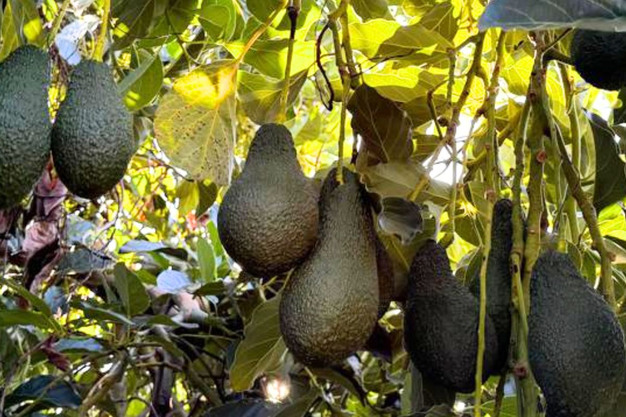 © Youness Bensaid | FreshPlaza.com
No avocados left in Kenya this season?
The article then claims that this situation, “the capture”, has led to the depletion of the Kenyan supply. This is where our sources unanimously disagree, pointing instead to an abundance of fruit that has not yet been harvested.
“There is a lot of fruit in Kenya right now, in the hands of farmers, that is not being harvested. Growers are abstaining from harvesting for the moment because of low market prices, and we are waiting for the market to improve so we can resume harvesting,” one grower says.
Another grower, who also wishes to remain anonymous, notes that it is primarily large-scale growers who still have plenty of fruit to harvest. “This is a well-known and common effect in the sector and is not related to current developments, since large-scale growers have the capacity to withhold their harvest in anticipation of better market conditions.”
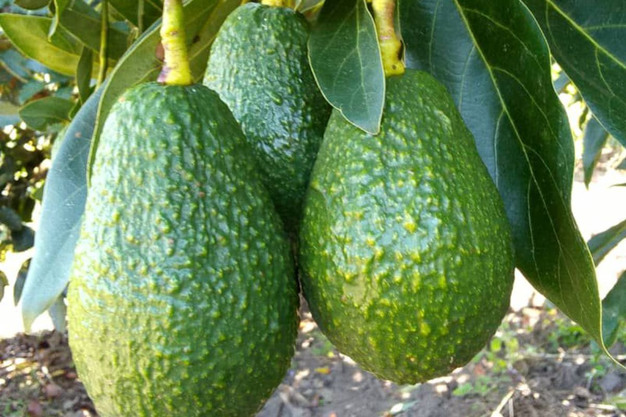 © Youness Bensaid | FreshPlaza.com
Behind the controversy
What transpires from the current controversy is that the mechanism of exceptional off-season export permits, and the dysfunctions it entails in practice, is not specific to this season but is part of the broader business culture in the country. “The heart of the matter is not whether the avocado season is open or closed; it is about governance and regulatory enforcement. The AFA’s guidelines are themselves very clear,” an industry insider explains.
One Kenyan exporter points to an attempt at manipulation: “This campaign that has now emerged, not only containing a lot of misinformation, appears to be linked to a trade war and businesspeople seeking to settle scores with one another. More specifically, a player in the local avocado processing industry is waging a war against the regulatory authority (AFA-HCD) after its unrealistic attempt to influence the value chain in its favor was blocked by the regulator.”

Source: The Plantations International Agroforestry Group of Companies