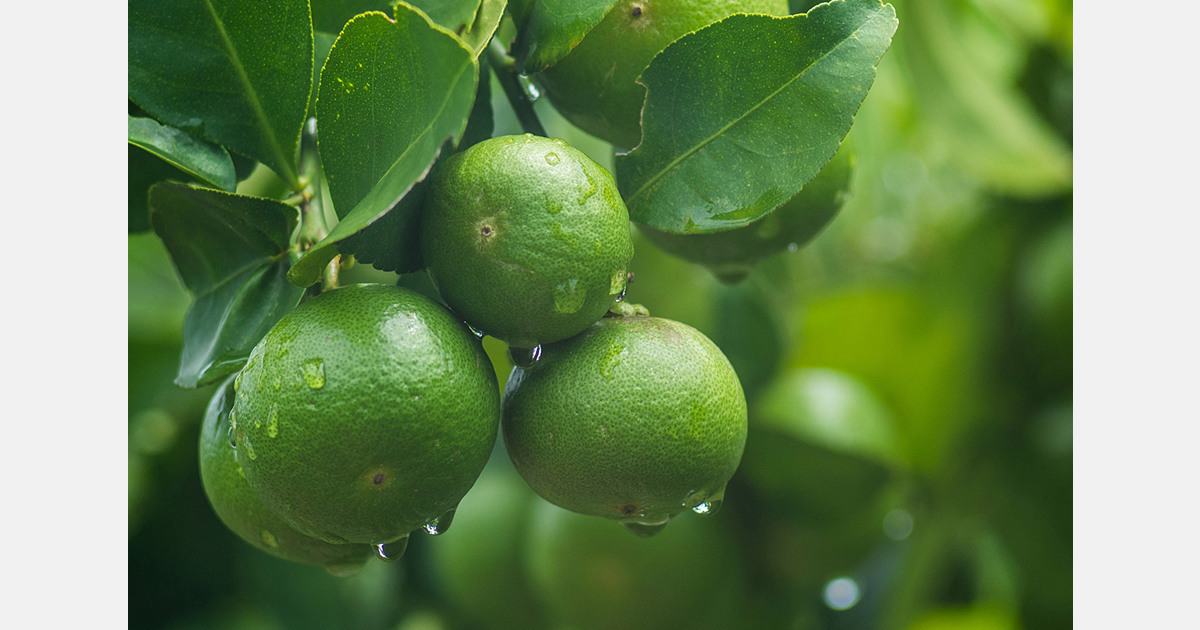
Nghe An province, Vietnam, is turning to seedless lemons as a promising alternative to traditional orange orchards, which are increasingly affected by greening disease.
Seedless lemon trees have proven well-adapted to local soil and climate conditions, delivering high-quality fruit with minimal seeds, thin peel, and high juice content. The trees can bear fruit year-round, start producing after two years, and remain productive for more than a decade. Yields typically range from 20 to 40 tons per hectare, depending on conditions.
The cultivation project began in 2017, with initial trials in Do Luong, Bach Ngoc, Van Hien, and Thuan Trung. Early results showed yields of about 28 tons/ha, and areas in Bach Ngoc and Thuan Trung have since expanded to over 20 hectares, generating incomes of 300–400 million VND per hectare.
Plans focus on selective expansion to semi-mountainous, hilly, and river-alluvial lands, as well as developing large-scale concentrated farms of 100 hectares or more. Farmers are being trained in VietGAP/GlobalGAP standards, water-saving irrigation, and off-season flowering techniques to optimize harvest timing and quality.
Cooperatives are linking farmers with processing and export companies, while small and medium-sized processing for concentrated juice, frozen lemons, and essential oils is encouraged to enhance value and stabilize prices. Investment per hectare is estimated at 150–170 million VND, covering planting, infrastructure, and technical support.
With government support, enterprise involvement, and farmer engagement, seedless lemons are set to become a cornerstone of Nghe An’s citrus industry, supporting both domestic consumption and export markets.
Source: baonghean.vn

Source: The Plantations International Agroforestry Group of Companies